
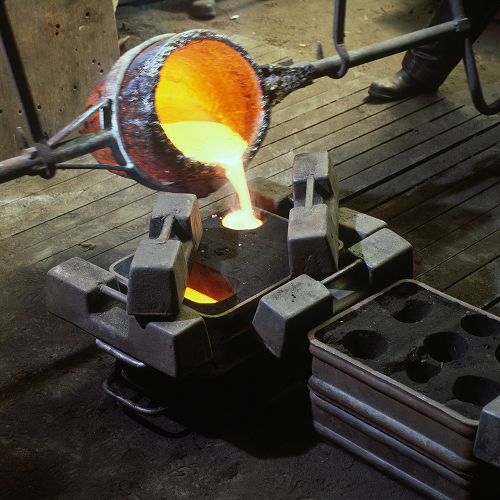
A More Transparent Mineral Ecosystem
Minerals are essential to infrastructure, manufacturing and everyday products, but every mineral supply chain also carries environmental, social and operational considerations. Sustainable mineral sourcing begins with better visibility into where materials come from, how they are prepared and who is involved along the way.
As a marketplace, 101 Minerals can contribute by making business and product information easier to discover, encouraging clearer requirements and supporting more informed connections between buyers and sellers. The aim is not to make broad sustainability claims on behalf of participants, but to create a digital environment where responsible decisions are easier to support.
How We Think About Mineral Sustainability
Our approach focuses on the areas where a connected B2B marketplace can create practical value: visibility, better information, more deliberate sourcing decisions and stronger accountability between market participants.

BETTER VISIBILITY
Make product, business and sourcing information easier to evaluate.

INFORMED SOURCING
Help buyers define requirements and compare relevant supply options.

EFFICIENT MATCHING
Connect the right requirement with the right market participant sooner.

RESPONSIBLE PARTNERSHIPS
Encourage credible, transparent relationships across the mineral ecosystem.

Explore a mineral marketplace built for clearer, more responsible business connections.


Sustainability Is Bigger Than the Mine
Environmental and social impacts can arise at multiple points in a mineral value chain – during extraction, processing, packaging, transport, storage and eventual use. Responsible mineral sourcing therefore requires more than asking where a material was mined; it also requires understanding the route it takes to the buyer.
Better information can support better decisions. Clearer specifications may reduce mismatched supply, suitable processing can limit unnecessary rework, and more deliberate logistics planning can help businesses avoid inefficient movement or handling. These outcomes depend on the choices made by individual participants, but transparency gives those choices a stronger foundation.
101 Minerals is building the digital connection layer around those decisions. By bringing buyers, suppliers, processors, traders and service partners into a more structured marketplace, the platform can support responsible mineral sourcing without pretending that one marketplace alone controls every environmental or social outcome.
Our Sustainability Priorities
For 101 Minerals, sustainability is about making better decisions across the mineral value chain — from how materials are sourced and evaluated to how they are processed, moved and brought to market. Our priorities focus on areas where greater visibility, responsible practices and more efficient participation can create practical value for businesses while supporting a more resilient mineral industry.

Responsible Sourcing
Support clearer supplier information and more informed purchasing decisions.

Traceable Information
Improve visibility around products, specifications and business participants.

Resource Efficiency
Encourage better matching between material requirements and available supply.

Smarter Logistics
Support more deliberate planning around movement, storage and handling.

Continuous Improvement
Evolve marketplace practices as expectations, standards and data improve.
Make your next mineral connection with more clarity from the start.
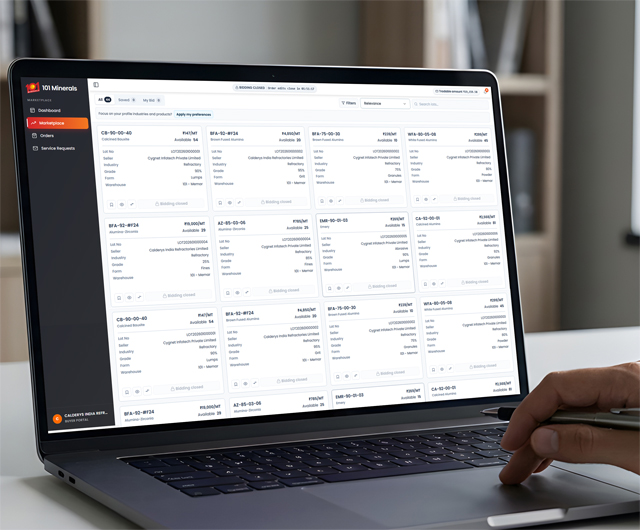
Digital Infrastructure for Better Decisions
Sustainable mineral supply chains depend on collaboration. Miners, processors, traders, manufacturers, logistics partners, testing providers and buyers each influence how material moves from source to end use, and meaningful progress requires information to travel with the material.
Digital marketplaces can help by reducing information gaps and making it easier to identify credible counterparties, compare specifications and keep commercial requirements visible. That does not replace technical due diligence or responsible sourcing policies, but it can make those practices easier to apply consistently.
For 101 Minerals, sustainability is therefore tied to the broader goal of making mineral trade more visible, connected and structured. As the marketplace grows, that foundation can support better data, stronger verification and more responsible business decisions across the ecosystem.